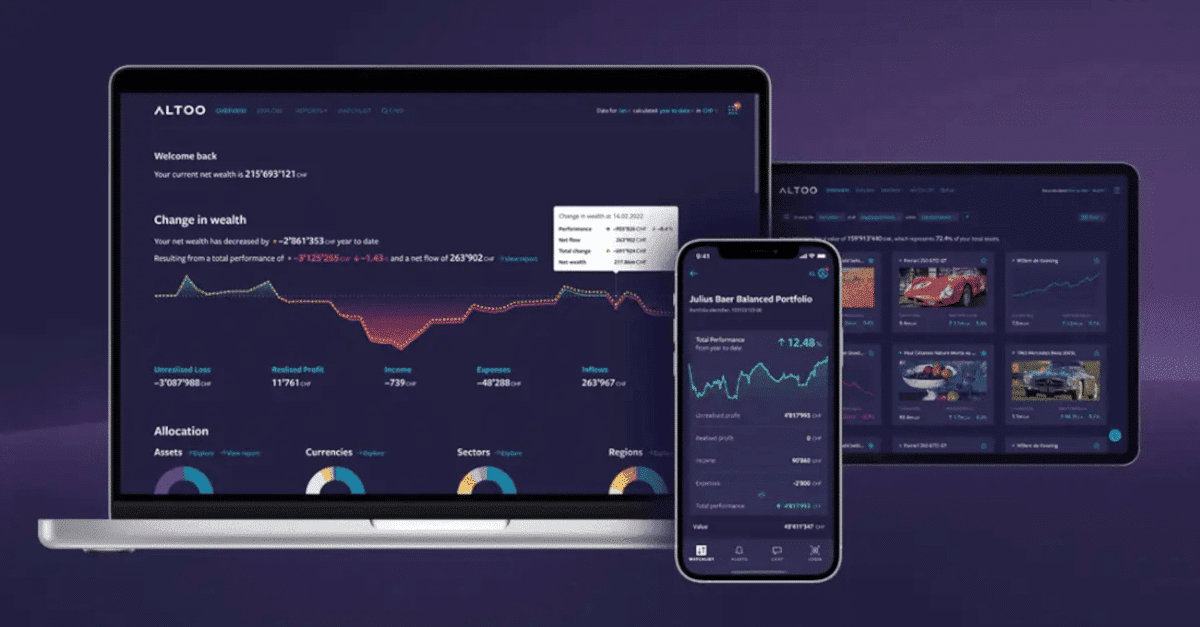
Family offices were built to endure, not to expand without limit. Their strength has always come from clarity: knowing how capital is structured, why decisions were made and who carries responsibility forward. For decades that clarity emerged naturally. Teams stayed small. Structures stayed understandable. Decisions remained close to memory. Today wealth is scaling faster than that inherited model can absorb, and complexity is accelerating beyond the reach of informal understanding. The real risk is not volatility. It is losing sight of the structure that holds everything together.
The next 10–20 years represent a momentous opportunity for the younger generation. Known as the "Great Wealth Transfer," a massive amount of financial wealth will be transferred from the Baby Boomer generation to Millennials and Gen Z, collectively known as Zennials. This intergenerational transfer will not only impact the economy but will also have a ripple effect on technology and culture.
Bill Gates pledged to give “virtually all” of his wealth away. The outdoor industry businessman and Patagonia founder, Yvon Chouinard, decided to donate his entire company to fight climate change. It is evident that the views of inherited wealth have changed. Baby boomers are the generation that has accumulated a greater percentage of wealth than any other generation ever has. What will the transfer of wealth worth more than USD 68 trillion globally look like?
The rise of female entrepreneurs and career women is a reason why women's power is increasingly being talked about in wealth management.
Over the next decade, an unprecedented amount of personal wealth will change hands as 70 million baby boomers prepare to pass an estimated USD 15 trillion in assets to the next generation.
Digital transformation is a technology-driven movement that affects the efficiency and results of all industries worldwide. Today, the majority of wealthy customers expect simple and user-friendly digital solutions that are available around the clock. Recent research suggests that the richer a customer is, the higher their digital affinity. It's a challenge for Family Offices (FOs).
Portfolios of ultra-high-net-worth individuals (UHNWIs) stand out for their multifaceted nature. Managing these vast and diverse assets requires not only precision but also a broad perspective that includes every aspect of each investment. The Altoo Wealth Management Platform, a Swiss startup, offers effective solutions in asset management and consolidated digital reporting. The Altoo's revolutionary methodology simplifies the complex pattern of UNWI portfolios, delivering clarity and insight via advanced technology. This article delves into the world of UHNWIs and investigates how The Altoo Platform sets the benchmark for efficient, effective portfolio management.
Due to technological advancements and shifting investment paradigms, the landscape in the dynamic world of family office management is constantly changing. At the heart of this evolution is the critical role of data management and reporting.
In the family office space, it is important to know what other players are doing. In the decision-making process, it is important to include external perspectives and factors. Therefore, many decisions are made with knowledge of facts and insights. How and where can you find the proper data for Family Offices (FOs)?
Controlling around a third of the world's wealth, women's total assets could be worth between $81 trillion and $93 trillion by 2023, according to a forecast by the Boston Consulting Group. After all, women make up half the population. They are largely responsible for their families’ financial decision-making and hold the majority of consumer spending power. The modern face of wealth is female.
In the fast changing world of wealth management, ultra-high-net-worth individuals (UHNWIs) and high-net-worth individuals (HNWIs) are increasingly embracing Business Intelligence (BI) as a critical tool in their financial armoury. As the financial landscape becomes more complex, the key to success for these individuals will be their ability to use BI tools and tactics effectively, rather than their money. Through informed, data-driven decision-making, this convergence of cutting-edge technology and financial knowledge offers a compelling avenue to not only secure, but also dramatically increase, their wealth.
Family Offices (FOs) are devoting a greater share of time and wealth to philanthropy. Charitable giving is one of the main ways many families and Family Offices define success. Philanthropy is a wonderful way to engage family members, especially younger generations, to share and honour values, explore similarities and differences, and leverage individual strengths.
Traditionally known for their discreet and private nature, family offices are now recognizing the importance of developing a strong brand. While some family offices wish to remain anonymous, many are actively seeking to build a brand that will increase their visibility and attract investment opportunities, top talent, and strategic partnerships. This article explores the value and importance of brand development for family offices, highlighting key insights from brand marketing.
The popularity of family offices (FOs) continues to grow, and their ability to preserve and grow capital in volatile conditions is a good perspective for 2024. FOs will increasingly be focused on sustainable, non-traditional investments as the younger generations take command.
A growing fascination with cryptocurrency investments is emerging as a noteworthy trend among ultra-high-net-worth individuals (UHNWIs), high-net-worth individuals (HNWIs), and family offices, despite the fact that the landscape of wealth management is always shifting and adapting.
As we approach the end of another remarkable year, high net worth families are gearing up for the annual ritual of financial reflection and planning. For those with a family office in place, the year-end discussion with your trusted advisors presents a unique opportunity to not only assess your financial standing but also to strengthen family bonds and set the course for the upcoming year.
Due to technological advancements and shifting investment paradigms, the landscape in the dynamic world of family office management is constantly changing. At the heart of this evolution is the critical role of data management and reporting.
We think you might like
Family offices were built to endure, not to expand without limit. Their strength has always come from clarity: knowing how capital is structured, why decisions were made and who carries responsibility forward. For decades that clarity emerged naturally. Teams stayed small. Structures stayed understandable. Decisions remained close to memory. Today wealth is scaling faster than that inherited model can absorb, and complexity is accelerating beyond the reach of informal understanding. The real risk is not volatility. It is losing sight of the structure that holds everything together.
Most family offices believe they are preparing the next generation. The evidence suggests they are doing something considerably more modest: including heirs in governance without equipping them to participate in it. The distinction matters because presence and preparation are not the same thing, and the gap between them is where succession risk accumulates.
Family offices take measuring investment performance seriously. From benchmarks to fee tracking, the infrastructure for investment measurement is continuous, detailed, and increasingly automated. Apply that same question to governance — how effective is your board, your family council, your oversight function? — and the answer is different. The structures may exist, but the measurement often does not.
In case you missed it
The defining question in Swiss wealth management is not whether artificial intelligence will replace the advisor. The more important issue is whether the information environment is coherent enough for productivity gains to hold in practice. AI has attracted attention because it promises speed, efficiency and automation. The real test is whether information across banks, entities, asset classes and documents can be brought into a form that is visible, current and usable in day-to-day work.