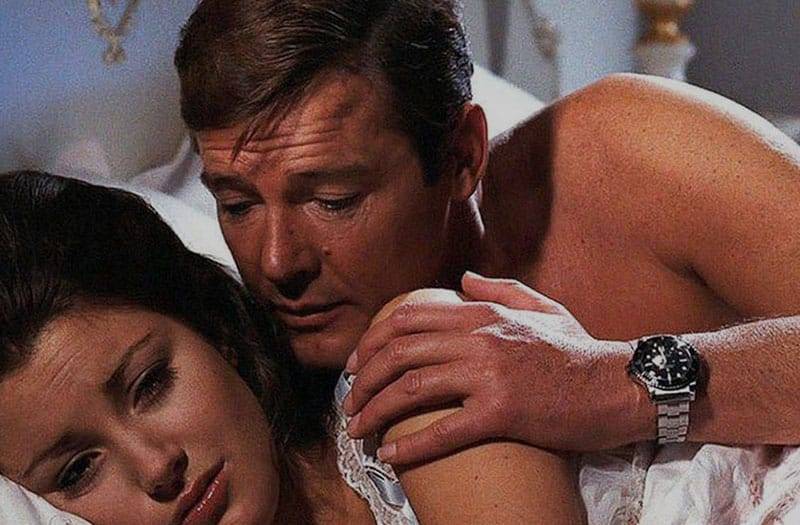
For decades, James Bond has been an iconic figure, celebrated for his style, daring missions, and impeccable taste in watches. From Sean Connery to Daniel Craig, Bond's wristwear has defined his character. In this article, we'll look at the evolution of Bond's watches, from Rolex to Omega, and their significance in the franchise. Join us as we uncover the secrets and impact of these iconic timepieces.
The Early Years: Rolex Submariner
The relationship between James Bond and Rolex began in the early 1960s with Sean Connery’s portrayal of the suave secret agent. In the first Bond film, Dr. No (1962), Connery wore the Rolex Submariner 6536, marking the beginning of a long partnership between the brand and the iconic character.
The Rolex Submariner became the quintessential Bond watch, representing the perfect combination of luxury and functionality. Its rugged design and water resistance made it the ideal companion for Bond’s action-packed adventures. Connery continued to wear the Submariner in subsequent films, including From Russia With Love (1963) and Goldfinger (1964), solidifying its status as the secret agent’s watch of choice.
The Changing of the Guard: George Lazenby and the Rolex Chronograph
In 1969, George Lazenby took over the role of James Bond in On Her Majesty’s Secret Service. With a new Bond came a new watch, as Lazenby wore the Rolex Chronograph 6238. This departure from The Submariner demonstrated the versatility of the Bond character and the franchise’s willingness to embrace different watch styles.
Lazenby’s time as Bond may have been short, but his pick of a Rolex Chronograph will be remembered for a long time. The watch’s sleek design and chronograph features added a bit of class to the character and helped Rolex become even more closely linked with the famous Agent 007.
The Roger Moore Era: Rolex Submariner and Beyond
Roger Moore took on the role of James Bond in 1973 and brought his own flair to the character. During his tenure, Moore continued the tradition of wearing Rolex watches, specifically the Rolex Submariner 5513. This model, with its clean and timeless design, perfectly complemented Moore’s suave and sophisticated portrayal of Bond.
Q Branch, the made-up research and development branch of MI6, made some unique changes to the Submariner during Moore’s time as Bond. These changes, like a buzzsaw bezel and other secret gadgets, made the already famous watch even more exciting and mysterious.
A New Era: The Rise of Omega
In 1995, Pierce Brosnan took on the role of James Bond in GoldenEye, marking a new chapter in the franchise and a change of watch brand. Omega became the suave secret agent’s watch of choice, starting with the Omega Seamaster 300m Quartz Professional model # 2541.80.00.
The Omega Seamaster offered a modern and sporty alternative to the Rolex Submariner, reflecting the evolving tastes of the Bond character and the changing landscape of the watch industry. Brosnan’s Bond has worn various iterations of the Seamaster throughout his tenure, each representing the perfect blend of style and functionality.
The Daniel Craig Era: Seamaster Diver and Beyond
With Casino Royale (2006), which starred Daniel Craig as James Bond, the series became darker and more real. Craig’s Bond gave the character a new look, and with it came a new line of watches like the Seamaster Diver 300M Co-Axial 41mm and the Seamaster Planet Ocean 600M Co-Axial Big Size.
Craig’s Agent 007 showcased the versatility of the Omega Seamaster, moving effortlessly from formal occasions to high-octane action sequences. The Seamaster Diver and Planet Ocean models became symbols of Craig’s rugged and no-nonsense portrayal of Bond, appealing to a new generation of watch enthusiasts.
A Timeless Legacy: Bond’s Watches Beyond the Silver Screen
Even though they were important parts of the Bond movies, these watches have gone beyond the movies to become sought-after collector’s items and classic fashion statements. The Rolex Submariners that Sean Connery and Roger Moore wore have become legendary watches that people all over the world want to wear.
Not only do they have a long-lasting appeal because of their link to the famous secret agent, but also because of how well they are made and designed. They are a great example of the lasting appeal of classic luxury watches.
When Pierce Brosnan and Daniel Craig switched to Omega, a whole new group of watch fans got to know the Seamaster line. With their combination of cutting-edge technology and elegant design, Omega Seamasters have cemented their place among the most famous watches.
Bond’s watches have not only helped define who he is as a person, but they have also left an indelible mark on the world of horology. They tell us that style, sophistication, and new ideas will always be around. So, as we keep watching James Bond go on dangerous missions, we can’t help but admire how elegant and consistent his wristwear is, even as it changes over time.
Family offices were built to endure, not to expand without limit. Their strength has always come from clarity: knowing how capital is structured, why decisions were made and who carries responsibility forward. For decades that clarity emerged naturally. Teams stayed small. Structures stayed understandable. Decisions remained close to memory. Today wealth is scaling faster than that inherited model can absorb, and complexity is accelerating beyond the reach of informal understanding. The real risk is not volatility. It is losing sight of the structure that holds everything together.
Most family offices believe they are preparing the next generation. The evidence suggests they are doing something considerably more modest: including heirs in governance without equipping them to participate in it. The distinction matters because presence and preparation are not the same thing, and the gap between them is where succession risk accumulates.
Family offices take measuring investment performance seriously. From benchmarks to fee tracking, the infrastructure for investment measurement is continuous, detailed, and increasingly automated. Apply that same question to governance — how effective is your board, your family council, your oversight function? — and the answer is different. The structures may exist, but the measurement often does not.
The defining question in Swiss wealth management is not whether artificial intelligence will replace the advisor. The more important issue is whether the information environment is coherent enough for productivity gains to hold in practice. AI has attracted attention because it promises speed, efficiency and automation. The real test is whether information across banks, entities, asset classes and documents can be brought into a form that is visible, current and usable in day-to-day work.